How to Get Rid of Aphids on Herbs Without Harsh Chemicals
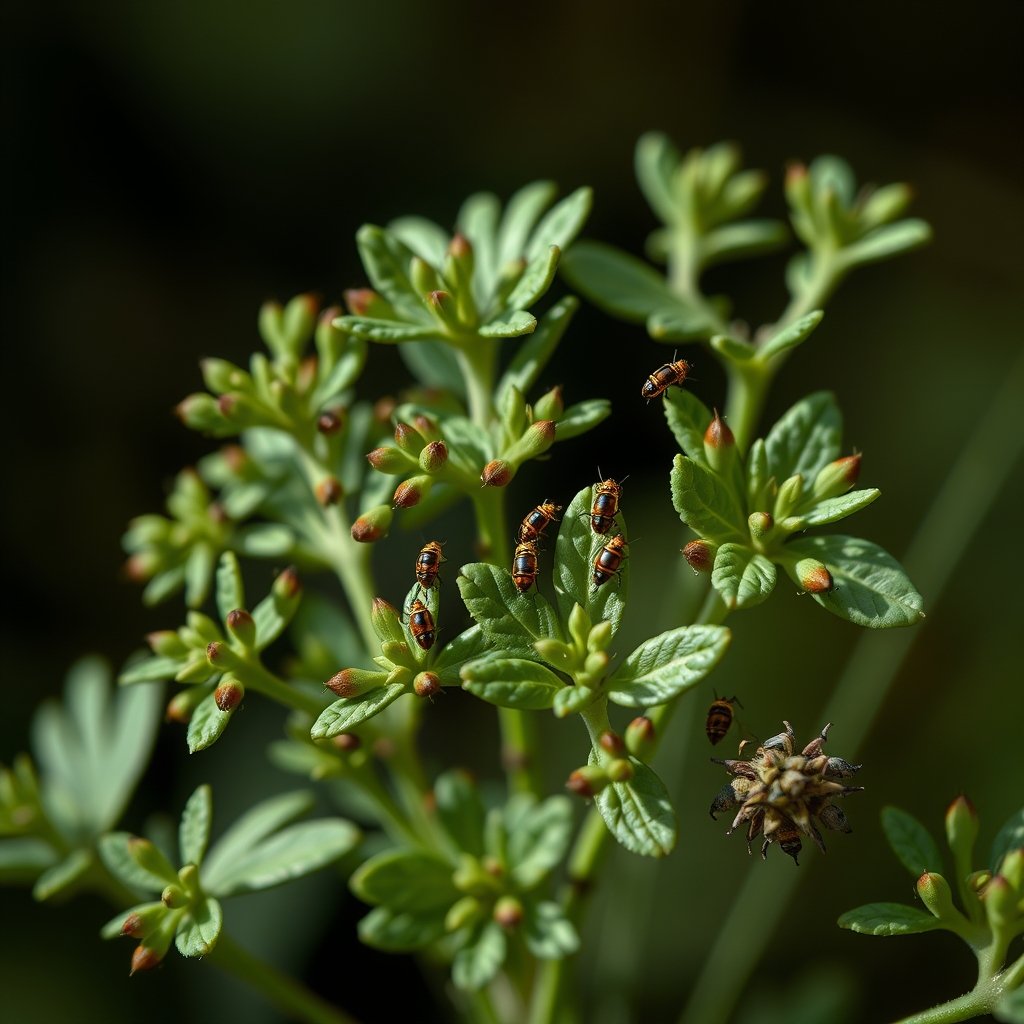
Aphids on herbs are one of the most frustrating problems a home gardener can face. These tiny, soft-bodied insects show up uninvited, cluster on your favorite plants, and can weaken even the healthiest basil, mint, or parsley in a matter of days. The good news? Aphids on herbs are very manageable once you know what you’re looking at and what to do about it. In this guide, we’ll walk through everything — from spotting an infestation early to seven proven methods for getting rid of them for good, whether your herbs live indoors on a windowsill or outside in a raised bed.
Table of Contents
What Are Aphids and Why Do They Love Herbs?
Aphids are small, pear-shaped insects, usually between 1 and 3 millimeters long. They come in green, black, yellow, brown, and even pink varieties depending on the species. Aphids on herbs are so common because herbs offer exactly what aphids crave: tender, nitrogen-rich foliage that’s easy to pierce with their needle-like mouthparts.
These insects feed by inserting a stylet — think of it as a tiny straw — into the plant’s phloem tissue and sucking out the sugary sap. The result is curled, yellowing leaves, stunted growth, and a sticky residue called honeydew that coats the foliage. That honeydew then attracts a secondary problem: sooty mold, a black fungus that blocks sunlight and further weakens the plant.
Aphids on herbs also reproduce at a remarkable rate. A single female aphid can give birth to live young without mating — a process called parthenogenesis — and those young reach reproductive age in as little as a week. That means a small colony of aphids on herbs can become a full-scale infestation within two weeks if left unchecked.
Herbs that are most commonly targeted include basil, mint, cilantro, parsley, dill, fennel, and chives. Soft, fast-growing herbs with lush canopies are the prime targets. If you’re growing any of these, knowing the signs of aphids on herbs is your first line of defense.
How to Identify aphids on herbs Early
Catching aphids on herbs early is critical. The earlier you spot them, the easier and faster treatment becomes. Here’s what to look for during your regular plant checks.
Clusters on new growth: Aphids strongly prefer new, tender growth — the tips of stems and undersides of young leaves. Turn a leaf over and look carefully; you might see dozens of tiny insects packed together.
Curling or puckering leaves: When aphids on herbs feed in large numbers, the affected tissue often curls inward or puckers. This distortion happens because the insects inject saliva as they feed, disrupting normal cell development.
Sticky residue and ants: If you notice a shiny, sticky film on leaves — or ants marching up and down your herb stems — take a closer look. Ants farm aphids for their honeydew, so ant activity is a reliable early-warning signal for aphids on herbs.
Yellowing or wilting: Heavy infestations cause the plant to lose more sap than it can replace, leading to yellowing leaves and overall wilting. At this stage, aphids on herbs have likely been present for at least a week or two.
Cast skins: Aphids molt as they grow, leaving behind translucent white skins on leaves and stems. Spotting these ghostly shells is a clear sign that aphids on herbs have been living there long enough to mature.
aphids on herbs – 7 Proven Ways to Get Rid of Them
Once you’ve confirmed aphids on herbs, it’s time to act. The seven methods below range from immediate physical removal to longer-term preventive strategies. You don’t always need to use all seven — start with the least invasive and escalate only if needed.
1. Blast Them Off with Water
The simplest and most immediate response to aphids on herbs is a strong stream of water. Take the affected plant to your sink or hose it down outdoors. A firm spray dislodges the insects from stems and leaves, and aphids that fall off generally can’t climb back up fast enough to reinfest before they dehydrate and die.
For indoor herbs, use the kitchen sink with the spray setting on your faucet. Repeat every two to three days for two weeks to break the egg and birth cycle. It sounds low-tech, but this single step can resolve a mild to moderate case of aphids on herbs on its own.
2. Use a Diluted Dish Soap Spray
Insecticidal soap is the classic organic treatment for aphids on herbs. The soap disrupts the insects’ cell membranes, causing them to dehydrate. Mix a few drops of pure liquid dish soap — not a product with added degreasers or bleach — into a liter of water and spray the entire plant, making sure to coat the undersides of leaves where aphids hide.
Apply in the morning so the leaves can dry before evening, which reduces the risk of fungal issues. Reapply every four to five days until you see no more aphids on herbs. Always rinse edible herbs thoroughly before eating them, even after using soap-based sprays.
3. Apply Neem Oil
Neem oil is pressed from the seeds of the neem tree and contains a compound called azadirachtin, which disrupts the hormonal system of insects, preventing them from feeding and reproducing normally. It’s one of the most reliable organic options for aphids on herbs because it works on contact and as a systemic deterrent.
Mix neem oil with water according to the label instructions (typically around a teaspoon per liter, with a small amount of soap as an emulsifier). Spray thoroughly in the early morning or evening — direct sunlight combined with neem oil can scorch leaves. Use weekly for three to four weeks when dealing with active aphids on herbs.
4. Introduce Beneficial Insects
If your herbs are outdoors or in a greenhouse, biological control is one of the most effective long-term solutions for aphids on herbs. Ladybugs (ladybirds) and lacewing larvae are voracious aphid predators. A single adult ladybug can consume dozens of aphids per day.
You can attract these beneficial insects by planting companion flowers like marigolds, dill, or fennel nearby. For faster results, many garden centers sell lacewing eggs or ladybug adults that you can release directly onto infested plants. This won’t help as much for purely indoor herbs, but for balcony gardens and outdoor herb beds, it’s a powerful, chemical-free approach to eliminating aphids on herbs.
5. Try Diatomaceous Earth
Food-grade diatomaceous earth (DE) is a powder made from fossilized algae. It damages the exoskeletons of soft-bodied insects like aphids, causing them to dry out. Dust a light layer of DE on and around the soil surface and on affected stems when dealing with aphids on herbs in pots.
DE loses effectiveness when wet, so reapply after watering or rain. It’s non-toxic to humans and pets, which makes it a solid choice for kitchen herb gardens where you’d rather not use any chemical product. That said, it can also affect beneficial insects, so use it targeted — only on the plants that show active aphids on herbs.
6. Prune Heavily Infested Growth
Sometimes the fastest solution for aphids on herbs is to simply cut out the worst-affected stems. If a branch tip is completely colonized and curled shut, spraying alone won’t penetrate the dense cluster of insects. Cut the affected growth cleanly with sterilized scissors, drop it into a sealed bag, and put it straight into the bin — not the compost heap.
Follow up with a soap or neem spray on the remaining plant to catch any stragglers. Pruning also encourages bushier, healthier new growth on most herbs, so you’re effectively doing two good things at once when you manage aphids on herbs this way.
7. Prevent Future Infestations with Good Plant Care
Healthy, well-maintained herbs are far less vulnerable to aphids on herbs than stressed plants. Overwatering, underwatering, poor drainage, and nitrogen-heavy fertilizing all create conditions that attract and favor aphids. Keep your herbs in appropriately sized pots with good drainage — read our guide on how to choose a pot with drainage for herbs to get this right from the start.
Avoid over-fertilizing with high-nitrogen products, which produce exactly the lush, soft growth that aphids target. Water consistently and correctly — here’s a useful resource on how to water indoor aromatic herbs properly so you’re not accidentally making your plants more aphid-friendly. Strong, balanced herb plants resist aphids on herbs much better than weak or overfed ones.
Are Aphids on Herbs Dangerous for Human Health?
This is one of the first questions people ask when they discover aphids on herbs they’ve been eating. The reassuring answer is that aphids on herbs are not harmful to humans. They don’t bite, they carry no diseases transmissible to people, and accidentally consuming a few aphids that weren’t washed off is not a health risk.
That said, the sooty mold that grows on honeydew deposits is unpleasant to eat and can cause digestive discomfort in sensitive individuals. It’s also worth noting that heavy aphid infestations will degrade the flavor and aroma of your herbs — basil attacked by aphids on herbs, for example, often tastes bitter and loses its characteristic sweetness.
Always rinse harvested herbs under cold running water, even if you haven’t seen any aphids. For herbs with dense foliage like curly parsley or thick-leaved basil, a short soak in cold salted water and then a rinse will dislodge any tiny insects hiding in the folds. The Royal Horticultural Society’s guidance on aphids confirms these are cosmetic rather than health concerns for the gardener.
Which Herbs Are Most Vulnerable to Aphid Attacks?
Not all herbs attract aphids on herbs equally. Understanding which plants are highest risk helps you prioritize your monitoring efforts.
| Herb | Aphid Risk Level | Common Aphid Type | Key Warning Sign |
|---|---|---|---|
| Basil | Very High | Green peach aphid | Curled, cupped leaves |
| Mint | High | Mint aphid (Ovatus crataegarius) | Yellowing stem tips |
| Cilantro / Coriander | High | Green peach aphid | Sticky leaves and ants |
| Parsley | Medium | Willow-carrot aphid | Puckered leaf edges |
| Chives | Medium | Onion aphid | Distorted hollow leaves |
| Rosemary | Low | Rosemary aphid | Waxy coating on stems |
| Thyme | Low | Various generalist species | Sticky residue near tips |
If you grow cilantro indoors, it’s worth reading our detailed guide on how to grow cilantro in pots indoors — proper care from the start dramatically reduces the risk of aphids on herbs taking hold. Similarly, parsley growers should check out our article on how to grow parsley indoors step by step, since consistently grown, stress-free parsley is far less prone to aphid attacks.
Rosemary and thyme have aromatic, somewhat woody foliage with volatile oils that deter many insects, making aphids on herbs less of a recurring issue for these two. Basil and mint, on the other hand, should be checked at least twice a week during warm weather — they’re the highest-risk plants in a typical herb garden.
Indoor vs. Outdoor Herbs: Does Location Change How You Treat Aphids?
Location matters quite a bit when dealing with aphids on herbs. Outdoors, natural predators like ladybugs, parasitic wasps, and lacewings provide some background control. You also have more room to use water jets without worrying about wet floors. The challenge outdoors is that aphids on herbs can fly in from neighboring plants and reinfest quickly during peak season.
Indoors, new aphid arrivals are less common — aphids typically enter on new plants you bring home, on cut flowers placed nearby, or through open windows during warm months. Once aphids on herbs are established indoors, however, they spread between pots easily and find fewer natural enemies. The soap spray and neem oil approaches are your best friends in an indoor setting.
Always quarantine any new herb plant for at least one week before placing it near your existing collection. This single habit prevents the most common way aphids on herbs get introduced to an indoor garden. Check the new plant daily during quarantine, paying close attention to stem tips and leaf undersides.
For reference on how proper indoor herb care reduces stress — and therefore aphid vulnerability — the University of Maryland Extension’s guide to growing herbs indoors offers solid foundational advice backed by horticultural research. You’ll also find Gardeners’ World’s aphid control guide useful for UK-specific cultivars and seasonal timing.
Final Thoughts
Dealing with aphids on herbs doesn’t have to be a stressful experience. The key is regular observation — a quick glance at your plants a couple of times a week means you’ll almost always catch aphids on herbs before they become a serious problem. Start with the gentlest methods (water sprays, hand removal) and escalate only when needed.
Good plant care is genuinely your strongest preventive tool. Well-watered, well-drained, correctly fertilized herbs in the right-sized pots are simply less appetizing to aphids on herbs than stressed, overfed plants bursting with soft new growth. Invest time in getting your growing conditions right, and you’ll spend far less time fighting pests.
If aphids on herbs do appear despite your best efforts, don’t panic. Between soap sprays, neem oil, strategic pruning, and — outdoors — beneficial insects, you have a genuinely effective toolkit. Most herb plants recover fully once aphids on herbs are cleared, and a clean, healthy plant will reward you with flavorful harvests all season long.
Frequently Asked Questions
Can I still eat herbs that had aphids on them?
Yes, you can eat herbs that had aphids on them, provided you wash them thoroughly under cold running water. Aphids on herbs are not toxic and carry no diseases that affect humans. Soak dense herbs briefly in cold water and rinse well to remove any remaining insects or honeydew residue.
What kills aphids on herbs instantly?
A direct spray of diluted dish soap solution will kill aphids on herbs on contact by disrupting their outer membrane. Rubbing alcohol diluted in water (about 70% water, 30% isopropyl alcohol) also works quickly on direct contact. Always rinse edible herbs before consuming them after any treatment, and test any solution on a small leaf area first to check for sensitivity.
Why do aphids keep coming back to my herbs?
Aphids on herbs return most often because the underlying conditions haven’t changed — overly rich soil, inconsistent watering, or nearby infested plants that act as a reservoir. They can also return from eggs that survived your treatment, which is why repeating any spray method every four to five days for three weeks is important to break the reproductive cycle.
Are chemical insecticides safe to use on edible herbs?
We strongly recommend avoiding synthetic chemical insecticides on edible herbs. Residues can linger on leaves and be ingested when you cook or eat fresh herbs. Organic options — soap sprays, neem oil, and diatomaceous earth — are effective against aphids on herbs and carry far lower risk for herbs you plan to eat. If you feel a stronger product is needed, consult your local agricultural extension office for approved options in your region.