Damping Off in Herb Seedlings: How to Prevent It
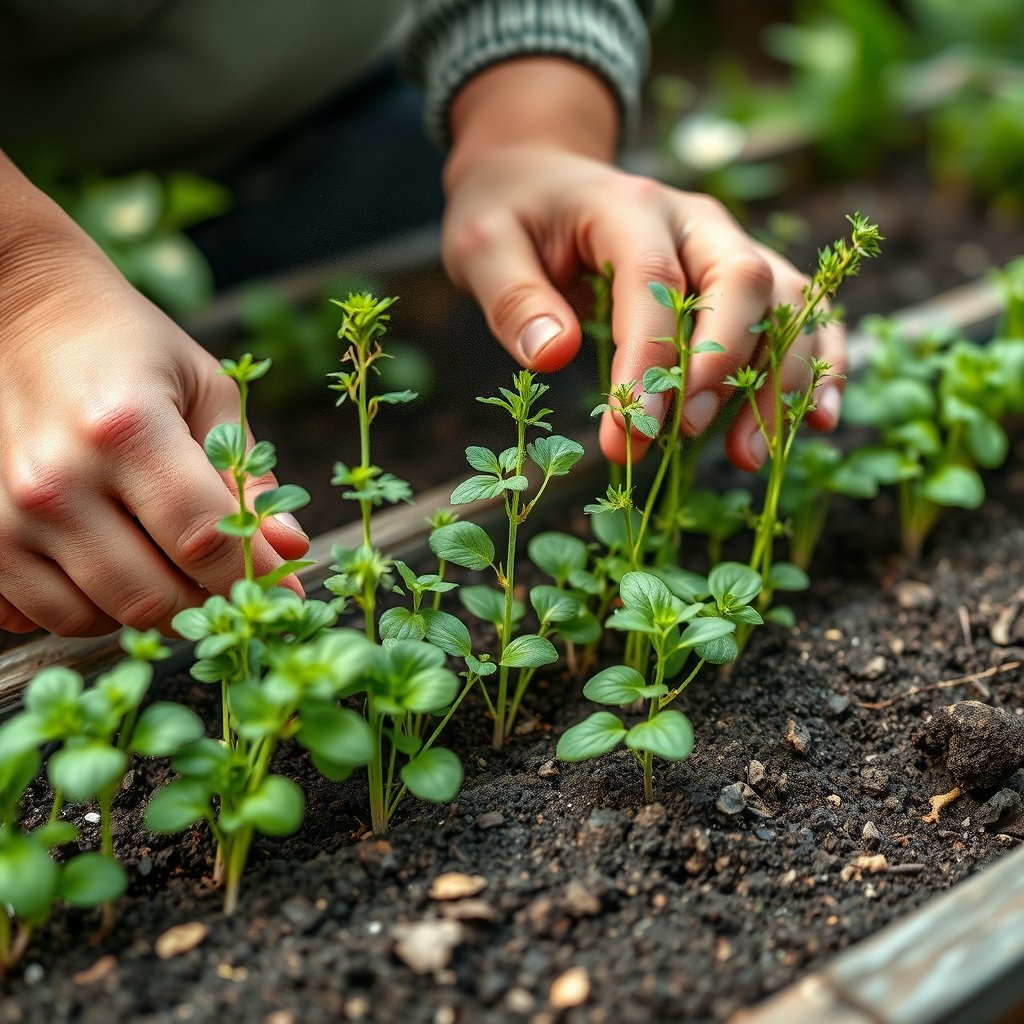
Damping off herb seedlings is one of the most heartbreaking problems you’ll face as a gardener. You sow your cilantro, basil, or parsley seeds with care, watch tiny green shoots push through the soil — and then, almost overnight, they collapse at the base and die. Damping off herb seedlings is caused by a group of soil-borne fungi and molds, most commonly Pythium, Rhizoctonia, and Fusarium, that thrive in cool, wet, poorly ventilated conditions. Understanding why it happens is the first step to stopping it for good.
Table of Contents
What Exactly Is Damping Off in Herb Seedlings?
Damping off herb seedlings is a catch-all term for a cluster of fungal diseases that attack young plants at or just below the soil line. The stem doesn’t break — it rots. The tissue becomes water-soaked, pinches in like a waist, and the seedling topples. Sometimes the seed itself rots before it ever sprouts, which gardeners call pre-emergence damping off.
Post-emergence damping off is the more visible heartbreak: your seedling looks healthy one morning and is lying flat by evening. Damping off herb seedlings can wipe out an entire tray within 48 hours once conditions favor the pathogen. It’s not a slow decline — it’s a rapid collapse.
The pathogens responsible aren’t exotic. They live in ordinary garden soil, in unsterilized potting mix, on old seed trays, and even in tap water left sitting in a saucer. What triggers them into an aggressive attack is a specific combination of moisture, warmth, and poor airflow — exactly the conditions many indoor herb growers accidentally create.
Why Are Herb Seedlings So Vulnerable?
Herb seedlings — basil, cilantro, parsley, chives, thyme, and rosemary — are particularly prone to damping off because they tend to have fine, delicate stems in their first weeks of life. Unlike tomato or squash seedlings, which bulk up quickly, most herbs stay slender and fragile for a longer stretch. That narrow stem is the weakest link.
Damping off herb seedlings is also more common when seeds are sown too densely. Crowded seedlings compete for light and airflow, creating a humid micro-climate right at soil level where fungi flourish. A single infected seedling can spread the disease to its neighbors within a day through the moist growing medium.
Indoor growing conditions compound the risk. Window ledges and grow shelves are often warm and still. Without a fan or open window, humidity builds up around the seed tray. Add a solid plastic dome for germination — useful for keeping seeds moist but dangerous if left on too long — and you’ve created a near-perfect incubator for the fungi behind damping off herb seedlings.
How to Identify damping off herb seedlings Before It Spreads
Catching damping off herb seedlings early is critical — but it’s tricky, because the initial signs are easy to dismiss as normal seedling variability. Here’s what to look for in the first few days after germination.
The clearest sign is a pinched or water-soaked area at the base of the stem, right where it meets the soil. The stem may turn brown, grey, or even black at that point. If you see one seedling leaning at an odd angle, check its base immediately. Damping off herb seedlings spreads outward from a central point, so you’ll often notice a circular patch of collapsed plants expanding day by day.
You might also notice a white, thread-like mycelium (fungal growth) on the soil surface around affected seedlings, especially in the morning before the surface dries. This is a strong indicator that damping off herb seedlings is active and spreading. Act the same day — remove affected seedlings and improve airflow immediately.
Pre-emergence damping off is harder to spot. If germination rates are unexpectedly low and you see no sign of sprouting after the normal window (usually 7–14 days depending on the herb), suspect that seeds rotted underground. This version of damping off herb seedlings is often linked to cold, waterlogged soil.
The 7 Proven Ways to Prevent damping off herb seedlings
Prevention is always more effective than treatment. Once damping off herb seedlings takes hold in a tray, it’s very hard to stop. These seven approaches work together — use as many as you can, not just one or two.
1. Use a sterile, well-draining seed-starting mix
Garden soil is loaded with the pathogens behind damping off herb seedlings. Always start seeds in a commercially prepared, sterile seed-starting mix or a well-draining potless compost blend. These mixes are lightweight, drain quickly, and contain far fewer fungal spores than garden soil or reused potting compost. Choosing the right container matters just as much — read our guide on how to choose a pot with drainage for herbs to make sure your setup doesn’t trap water at the root zone.
2. Water from below, not above
Overhead watering keeps the soil surface constantly wet — and the soil surface is exactly where the fungi causing damping off herb seedlings live and attack. Bottom watering means placing the seed tray in a shallow dish of water and letting the mix absorb moisture upward through drainage holes. The surface stays drier, and the roots still get what they need. For detailed guidance on indoor herb watering habits, see our article on how to water aromatic herbs indoors correctly.
3. Don’t overwater — at all
This sounds obvious, but overwatering is the single biggest driver of damping off herb seedlings. The growing medium should feel like a wrung-out sponge: moist but never soggy. Let the top layer dry slightly between waterings. A moisture meter is a worthwhile investment for anyone who tends to water by habit rather than by checking the soil.
4. Improve airflow around seedlings
A small USB desk fan running on its lowest setting, pointed near (not directly at) your seed trays, makes a measurable difference in damping off herb seedlings rates. Airflow does two things: it dries the soil surface faster after watering, and it physically strengthens stems, making them less susceptible to fungal attack. Even opening a window for a few hours a day helps.
5. Sow at the right density
Overcrowded seedlings are a fast track to damping off herb seedlings. When shoots are packed together, airflow between them drops to almost nothing. Follow the seed packet spacing guidance, and if you’ve sown too thickly, thin seedlings early — even if it feels wasteful. Remove the weakest plants with small scissors rather than pulling, to avoid disturbing neighboring roots.
6. Give seedlings adequate light
Low light means slow growth, and slow-growing seedlings spend longer in the vulnerable early-stem stage where damping off herb seedlings is most dangerous. Strong, consistent light — ideally 14–16 hours under a grow light or a south-facing window — keeps seedlings growing vigorously and building stem strength faster. Leggy, pale seedlings are far more susceptible than compact, well-lit ones.
7. Apply a light chamomile or cinnamon treatment
Both chamomile tea and ground cinnamon have mild antifungal properties that can help suppress the early stages of damping off herb seedlings. Brew a weak chamomile tea, let it cool completely, and use it to water seedlings once a week. Alternatively, dust a fine layer of ground cinnamon on the soil surface after sowing. Neither is a cure once disease is established, but both can slow early spread as a supplementary measure.
What to Do When Damping Off Has Already Started
If you’re already seeing damping off herb seedlings in your trays, don’t panic — but do act fast. Remove all affected seedlings immediately, including any that look only slightly wilted. Leaving them in the tray keeps the pathogen active and feeding.
Reduce watering sharply. Let the surface of the mix dry out as much as possible without stressing healthy survivors. Increase ventilation dramatically — move the tray to a breezier spot, add a fan, or open a window. Damping off herb seedlings slows significantly when conditions become less favorable for the fungi.
Repotting healthy survivors into fresh, sterile mix is worth considering if the disease has affected more than a third of your tray. Use clean containers — old trays and pots can harbor spores even after rinsing. Growing cilantro in pots indoors is a great way to restart with optimal, disease-resistant conditions for one of the most damping-off-prone herbs.
There are copper-based fungicides available that target the pathogens behind damping off herb seedlings. These can help slow or stop an active outbreak when used as a soil drench according to label instructions. That said, prevention remains far more reliable — fungicides don’t work well once symptoms are advanced.
Herb-by-Herb Risk Guide: Which Herbs Are Most Susceptible?
Not all herbs face equal risk from damping off herb seedlings. Knowing which species are most vulnerable helps you apply extra care exactly where it’s needed.
| Herb | Damping Off Risk | Key Precaution |
|---|---|---|
| Basil | Very High | Never mist; bottom-water only; high light |
| Cilantro (Coriander) | High | Sow directly; avoid transplanting stress |
| Parsley | High | Thin early; keep surface dry |
| Chives | Moderate | Good airflow; avoid dense sowing |
| Thyme | Moderate | Very well-draining mix; minimal water |
| Rosemary | Moderate | Sandy mix; low humidity; warm spot |
| Dill | Low–Moderate | Direct sow; avoid overwatering |
Basil is the herb most frequently destroyed by damping off herb seedlings — the combination of warmth and moisture it needs for germination is almost identical to what the fungi prefer. If basil is your priority, treat every one of the seven prevention steps as non-negotiable.
Rosemary and thyme are less frequently hit, but when damping off herb seedlings does strike them, it tends to happen in compacted or poorly drained soil. Both herbs are Mediterranean natives that genuinely dislike wet roots. For growing rosemary indoors successfully, see our article on how to grow rosemary indoors without it drying out, which covers the soil and drainage conditions that keep it healthiest.
Cilantro is a special case because it’s best sown directly where it will grow rather than transplanted. The transplanting stress makes seedlings more vulnerable to damping off herb seedlings. Direct sowing into a clean, well-drained container reduces that risk considerably.
Long-Term Habits That Keep Damping Off Away
Once you’ve dealt with damping off herb seedlings once, you’ll want habits that prevent it from ever becoming a recurring problem. These aren’t complicated — they’re just consistent.
Always sanitize seed trays and pots between uses. A solution of one part household bleach to nine parts water, left in contact for ten minutes and then rinsed thoroughly, kills most of the pathogens behind damping off herb seedlings. Reusing trays without cleaning them is one of the most common ways the disease cycles back.
Store unused seed-starting mix in a sealed bag or container. Open bags left in a damp shed or garage can become contaminated with mold spores, effectively bringing damping off herb seedlings into your home on the very medium you thought was sterile.
Rotate your herbs. If you sow the same herb in the same pot season after season using reused soil, you build up pathogen populations over time. Fresh mix in a clean container each season is the most reliable way to avoid the recurring damping off herb seedlings cycle.
Watch your watering schedule at the seasonal level too. In winter, when indoor temperatures drop and evaporation slows, the same watering frequency you used in summer will leave the soil much wetter for much longer — a classic setup for damping off herb seedlings. Adjust frequency downward as light and temperature decrease.
For herbs with longer growing seasons indoors, like chives and parsley, good long-term pot drainage is as important as initial soil choice. You can learn more about growing these herbs from seed in our guides on growing chives on your kitchen windowsill and on growing parsley indoors step by step.
The scientific grounding for these practices is well established. University of Minnesota Extension’s overview of damping off confirms that pathogen-free media, proper drainage, and airflow are the three pillars of prevention. The Royal Horticultural Society’s damping off guidance echoes the same priorities, adding that seed quality matters — always buy seeds from reputable suppliers, as poor-quality seed lots can carry pathogens. For a more technical understanding of the specific fungi involved, research published through the American Phytopathological Society shows how Pythium species interact with soil moisture levels to cause rapid seedling collapse.
Final Thoughts
Damping off herb seedlings is frustrating, but it’s also very preventable once you understand what drives it. The fungi responsible aren’t unusually aggressive — they’re opportunists that take advantage of conditions we accidentally create: wet soil, still air, poor light, and overcrowding. Fix those conditions and damping off herb seedlings becomes rare rather than routine.
Start with sterile mix, water from below, keep air moving, and give your seedlings the strongest possible light. Thin them early, remove any fallen seedlings the same day you spot them, and clean your equipment between seasons. Do those things consistently, and damping off herb seedlings will stop being a regular part of your growing experience.
Growing herbs from seed is genuinely rewarding — there’s something satisfying about a basil plant you raised from a tiny black seed, or a pot of cilantro that’s feeding your kitchen all winter. Don’t let damping off herb seedlings put you off trying again. Each failed tray is a lesson, and the fixes are all within reach.
Frequently Asked Questions
Can I save seedlings that are already showing damping off symptoms?
It’s difficult but sometimes possible if you catch it early. Remove affected seedlings immediately, drastically reduce watering, and improve airflow around the tray. Seedlings that are only slightly wilted but not yet collapsed at the stem may recover, but any with a pinched or blackened stem base are unlikely to survive. Damping off herb seedlings rarely reverses once the stem tissue is compromised.
Is hydrogen peroxide useful against damping off in herb seedlings?
A diluted hydrogen peroxide solution — roughly 1 part 3% hydrogen peroxide to 9 parts water — is sometimes used as a soil drench to oxygenate the root zone and suppress the anaerobic conditions that favor the pathogens behind damping off herb seedlings. It can help as a preventive measure but should not be used so frequently that it disrupts beneficial soil biology. Always dilute properly and test on a small group of seedlings first.
Why do my herb seedlings keep getting damping off even with new potting mix?
New potting mix isn’t always sterile, especially budget brands. The container, the water source, and even airborne spores can reintroduce the pathogens behind damping off herb seedlings. Check that you’re cleaning trays between uses, watering from below, and giving seedlings adequate ventilation and light. If problems persist, consider a premium seed-starting mix specifically labeled as sterile.
Does cinnamon really prevent damping off herb seedlings?
Ground cinnamon contains cinnamaldehyde, which has demonstrated antifungal activity in laboratory settings. A light dusting on the soil surface after sowing can help suppress early fungal growth and reduce the risk of damping off herb seedlings. It’s not a substitute for proper drainage, airflow, and careful watering — but it’s a harmless, low-cost supplement that many gardeners find genuinely useful.