Easiest Herbs to Grow Indoors for Beginners
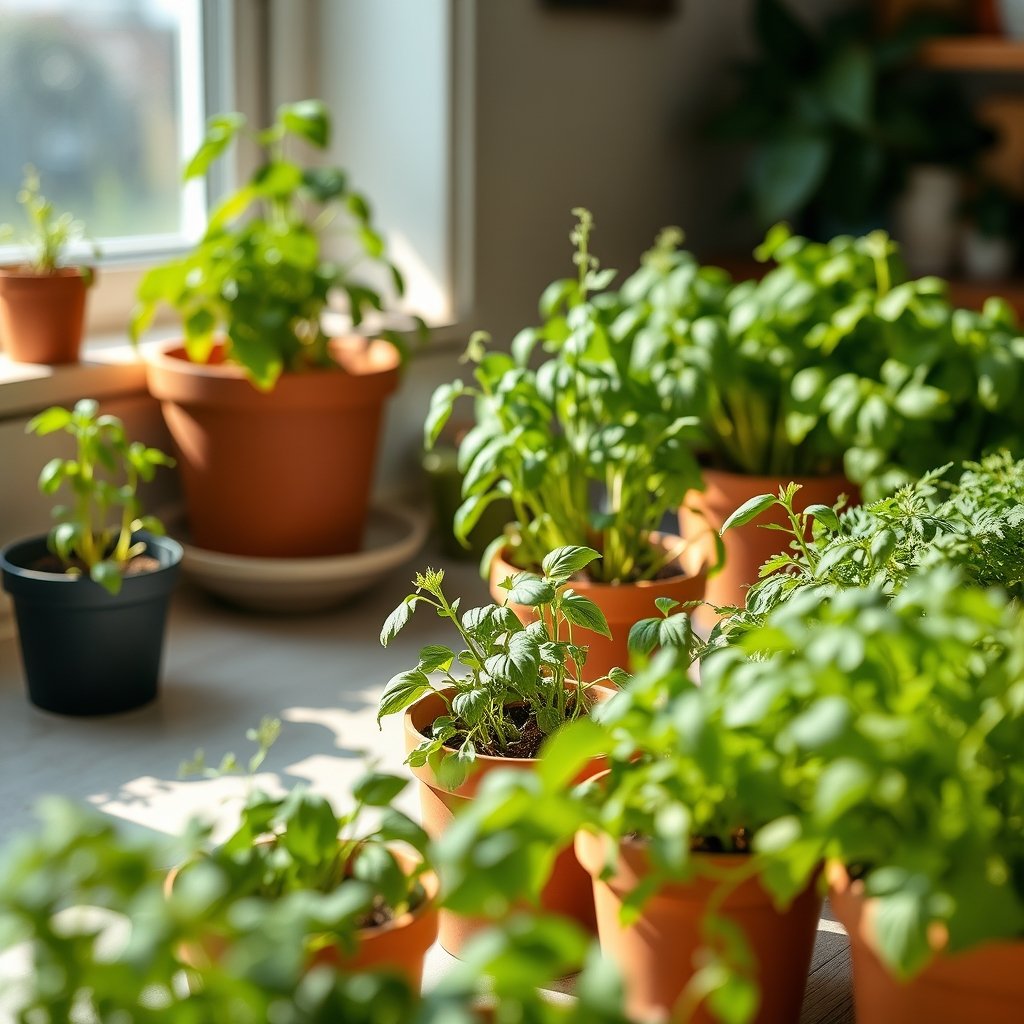
The easiest herbs to grow indoors are closer within reach than most people think. Whether you rent a small apartment, have a single sunny windowsill, or simply want fresh flavour a few steps from the stove, growing herbs inside is one of the most rewarding things a beginner gardener can do. You don’t need a greenhouse, a big budget, or a green thumb — just the right plants, a little guidance, and the willingness to water consistently. In this guide we walk through exactly which herbs to pick, why they thrive indoors, and how to keep them producing all year long.
Table of Contents
Why choosing the easiest herbs to grow indoors matters for beginners
Not every herb is equally forgiving. Lavender, for example, craves strong Mediterranean sun and resents the humidity of most kitchens. Tarragon goes dormant in winter and confuses new growers. Starting with the wrong plants is the number-one reason beginners give up on indoor herb gardening before they ever taste a single leaf.
When you focus on the easiest herbs to grow indoors from day one, you build confidence fast. You learn what healthy growth looks like, you understand the watering rhythm a container demands, and you start cooking with genuinely fresh ingredients — all of which make you want to grow more, not less. Think of these nine plants as your foundation before you branch out to more demanding species.
The 9 easiest herbs to grow indoors (and what makes each one beginner-friendly)
Every herb on this list shares three key traits: it adapts well to container life, it tolerates the lower light levels found near a typical window, and it recovers quickly from the occasional missed watering or accidental over-snip. Here’s the full breakdown.
1. Basil
Basil is arguably the most popular of the easiest herbs to grow indoors. It germinates in as little as five to seven days from seed and grows visibly fast, which is deeply satisfying for beginners. Place it in your sunniest south- or west-facing window and keep the soil evenly moist — not waterlogged. Pinch off flower buds the moment they appear to keep the leaves coming for months.
2. Chives
Chives are among the most resilient members of the easiest herbs to grow indoors club. They tolerate lower light better than basil, bounce back quickly from heavy harvesting, and even regrow from store-bought clumps you pot up at home. Snip the grass-like leaves down to about an inch above the soil and they’ll regenerate within two weeks. If you want a full step-by-step guide, check out our article on cómo cultivar cebollino en la ventana de la cocina — the principles translate perfectly to any language gardener.
3. Mint
Mint is practically unkillable, which is exactly why it belongs on any list of the easiest herbs to grow indoors. It grows aggressively — that’s actually a feature when you’re harvesting for tea or mojitos every week. Keep it in its own pot (it will crowd out neighbours), water it generously, and cut it back by a third whenever it starts to look leggy. Spearmint, peppermint, and chocolate mint all behave the same way indoors.
4. Parsley
Parsley has a reputation for slow germination (it can take three weeks from seed), but once it’s established it’s one of the easiest herbs to grow indoors. Buy a small transplant from a garden centre to skip the waiting period and you’ll be harvesting flat-leaf or curly parsley within days. Always cut outer stems first to encourage the centre to keep producing. For a deeper look, our guide on cómo cultivar perejil en interior paso a paso covers every detail from pot choice to fertilising.
5. Cilantro (Coriander)
Cilantro is one of those easiest herbs to grow indoors that rewards frequent sowing over babying a single plant. It bolts (goes to seed) quickly in warm rooms, so the trick is to sow a small pinch of seeds every three to four weeks — a method called succession sowing. This way you always have tender young leaves ready to harvest. Keep it in a cool, bright spot away from heat vents. We have a detailed post on cómo cultivar cilantro en macetas dentro de casa if you want the full picture.
6. Thyme
Thyme is a Mediterranean herb that actually prefers to dry out slightly between waterings, making it one of the easiest herbs to grow indoors for anyone who tends to forget to water. It needs a well-drained pot and a bright windowsill, but it’ll forgive you if you miss a day or two. Use kitchen scissors to snip fresh sprigs directly into roasted vegetables, soups, and marinades.
7. Oregano
Oregano is closely related to thyme and shares its easygoing nature. It’s one of the easiest herbs to grow indoors because it’s drought-tolerant, compact, and incredibly productive — a single mature plant can supply a busy cook all winter. Greek oregano has the most intense flavour; Italian oregano is milder and slightly larger-leaved. Either variety does well in a four- to six-inch pot on a sunny windowsill.
8. Lemon Balm
Lemon balm might be less famous than basil or mint, but it absolutely deserves a spot on the easiest herbs to grow indoors list. It’s vigorous, fragrant, and incredibly useful — the leaves make a calming herbal tea and add brightness to salads and desserts. Like mint, it prefers consistent moisture and will tell you it’s thirsty by drooping slightly (then perking right back up after a drink).
9. Rosemary
Rosemary is the most demanding entry on our easiest herbs to grow indoors list, but we include it because the payoff is huge and it’s still very manageable with a few simple rules. It needs the brightest window you have, excellent drainage, and air circulation. Avoid letting it sit in a drip tray full of water. With those conditions met, a rosemary plant can live indoors for years and grow into a beautiful small shrub.
What conditions do the easiest herbs to grow indoors actually need?
Understanding the core requirements shared by the easiest herbs to grow indoors helps you succeed with all nine plants, not just one or two. Let’s cover the four fundamentals.
Light
Most culinary herbs want at least four to six hours of direct or bright indirect light per day. A south-facing windowsill is ideal in the Northern Hemisphere. East- or west-facing windows work well for chives, parsley, and mint. If your home is genuinely dark, a basic grow light on a 14-hour timer makes all the easiest herbs to grow indoors genuinely achievable, even in a north-facing room. The University of Minnesota Extension has a useful overview of light requirements for indoor herbs that’s worth bookmarking.
Watering
Overwatering kills more indoor herbs than underwatering — it’s not even close. The easiest herbs to grow indoors like basil, mint, parsley, and lemon balm prefer consistently moist (not wet) soil. Thyme, oregano, and rosemary want to dry out between drinks. A simple finger test — push your fingertip an inch into the soil; if it’s dry, water; if it’s damp, wait — is all you need. For a more thorough watering guide, our article on cómo regar hierbas aromáticas en interior correctamente explains exactly how to read your plants’ signals.
Pots and drainage
Every pot you use for the easiest herbs to grow indoors must have at least one drainage hole. Without it, water pools at the bottom of the soil, suffocates roots, and triggers root rot — the silent killer of indoor herb gardens. Terracotta pots are excellent because they’re porous and help regulate moisture. Plastic pots retain water longer, which suits moisture-loving herbs like mint and basil. Whatever material you choose, drainage is non-negotiable.
Soil and feeding
Use a good-quality potting mix — not garden soil, which compacts badly in containers. Many growers add a small amount of perlite (roughly one part perlite to four parts potting mix) to improve drainage, especially for thyme, oregano, and rosemary. Feed your herbs with a balanced liquid fertiliser every two to three weeks during the active growing season (spring through early autumn). In winter, reduce feeding to once a month or stop entirely if growth slows noticeably.
Common mistakes that stop beginners from succeeding with indoor herbs
Even the easiest herbs to grow indoors can struggle if a few basic habits go wrong. Here are the mistakes we see most often — and how to avoid them.
Harvesting too little (or too much at once)
It feels counterintuitive, but regular harvesting is what keeps herbs producing. If you never cut basil or mint, they put their energy into flowering and the leaves become small and sparse. Equally, stripping more than a third of the plant at one time stresses it badly. Aim to harvest little and often — a few sprigs every few days — and your easiest herbs to grow indoors will stay lush and productive for months.
Planting too many together in one pot
A single 12-inch pot crammed with five different herbs looks lovely at the garden centre but leads to disaster at home. Different herbs have different water needs. Mint and basil sharing a pot with thyme and rosemary means someone always gets the wrong amount of water. Grow each of the easiest herbs to grow indoors in its own pot so you can tailor care to the individual plant.
Ignoring seasonal changes
Indoor environments change more than people realise. Winter heating dries the air dramatically. Summer sun through glass can scorch leaves. The easiest herbs to grow indoors still respond to these shifts — you may need to water more frequently in summer, mist leaves gently in heated winter rooms, or move pots back from cold glass on frosty nights. The Royal Horticultural Society’s guide to growing herbs in containers is a great reference for adapting to seasonal changes.
Skipping the drainage check
We touched on this above, but it bears repeating: a pot without drainage is the fastest route to dead roots. Check every container before you plant. If you fall in love with a decorative pot that has no hole, use it as a cachepot — place a smaller, drilled pot inside it, and remove it to water, letting it drain fully before putting it back.
A quick comparison of the 9 easiest herbs to grow indoors
| Herb | Light needed | Watering style | Difficulty | Best use |
|---|---|---|---|---|
| Basil | Bright, direct | Keep moist | Very easy | Pasta, salads, pesto |
| Chives | Moderate to bright | Keep moist | Very easy | Eggs, soups, garnish |
| Mint | Moderate to bright | Keep moist | Very easy | Tea, cocktails, desserts |
| Parsley | Bright, indirect | Keep moist | Easy | Sauces, salads, garnish |
| Cilantro | Moderate to bright | Keep moist | Easy (sow often) | Salsas, curries, tacos |
| Thyme | Bright, direct | Dry between waterings | Easy | Roasts, soups, marinades |
| Oregano | Bright, direct | Dry between waterings | Easy | Pizza, pasta, grilling |
| Lemon Balm | Moderate to bright | Keep moist | Very easy | Tea, desserts, salads |
| Rosemary | Bright, direct | Dry between waterings | Moderate | Roasts, bread, potatoes |
How to harvest and use your indoor herbs the right way
Growing is only half the story. Knowing how to harvest is what separates a thriving indoor herb garden from a stalled one. With the easiest herbs to grow indoors, the golden rule is to cut just above a leaf node — the point where leaves meet the stem. This encourages the plant to branch out rather than just regrow a single stem, making it bushier and more productive over time.
For basil and mint, pinch flower buds off the moment you spot them. Flowering signals the plant to stop producing tasty leaves and start producing seeds. With chives and lemon balm, you can let some flowers develop — they’re actually edible and look pretty in salads. Thyme and oregano can be harvested quite aggressively; they respond well to a hard cut back in early spring.
Store fresh-cut herbs loosely wrapped in a barely damp paper towel inside a sealed container in the fridge. Most will stay fresh for up to a week this way. Alternatively, stand cut stems in a glass of water on the counter — basil, in particular, keeps well at room temperature rather than in the fridge. The easiest herbs to grow indoors are equally easy to use fresh, dried, or frozen.
If you end up with a bumper harvest, blanch leaves briefly and freeze them in ice-cube trays topped with olive oil or water. These herb cubes drop straight into soups, stews, and sauces from frozen — a brilliant way to preserve the flavour of the easiest herbs to grow indoors through leaner months. BBC Good Food’s guide to freezing herbs has practical step-by-step advice for every herb type.
Final Thoughts
The easiest herbs to grow indoors genuinely earn that title — these nine plants are forgiving, fast-rewarding, and endlessly useful in the kitchen. Starting with the right varieties means you’ll see real results within weeks rather than struggling with plants that need conditions your home can’t provide.
Keep the fundamentals simple: bright light, correct watering for each herb’s personality, a draining pot, and regular harvesting. Get those four things right and the easiest herbs to grow indoors will repay you with fresh flavour every single day. Start with one or two plants, build confidence, then expand your windowsill garden one pot at a time. There’s no rush — and the process itself is half the pleasure.
Frequently Asked Questions
What are the easiest herbs to grow indoors without a sunny window?
Chives, mint, and parsley are your best bets because they’re among the easiest herbs to grow indoors and tolerate lower light conditions better than most. If your home is genuinely dark, a simple LED grow light on a 12–14 hour timer will make any of the nine herbs on this list thrive. You don’t need an elaborate setup — even a basic clip-on grow light positioned six to ten inches above the pots makes a real difference.
Can I grow the easiest herbs to grow indoors from seed or should I buy transplants?
Both work, but transplants give you a faster start. Basil, cilantro, chives, and oregano all germinate readily from seed if you want to try. Parsley and rosemary are the trickiest from seed — buying small transplants saves weeks of waiting. Whichever route you choose, the easiest herbs to grow indoors will establish themselves quickly once they’re in the right pot and light.
How often should I water the easiest herbs to grow indoors?
There’s no single answer because different herbs have different needs — that’s exactly why we recommend growing each one in its own pot. Moisture-lovers like basil and mint may need water every two to three days in a warm room. Drought-tolerant herbs like thyme, oregano, and rosemary may only need water once a week. The finger test (described above) is the most reliable method, and it works for all the easiest herbs to grow indoors.
Do the easiest herbs to grow indoors need fertiliser?
Yes, but modestly. Potting soil loses its nutrients after roughly six to eight weeks, so a balanced liquid fertiliser every two to three weeks during the growing season keeps the easiest herbs to grow indoors lush and productive. Don’t over-feed — too much nitrogen produces lots of leafy growth with weaker flavour. A half-strength dose applied regularly is better than a full-strength dose applied occasionally.