Peppermint Tea: What It Is and How People Use It
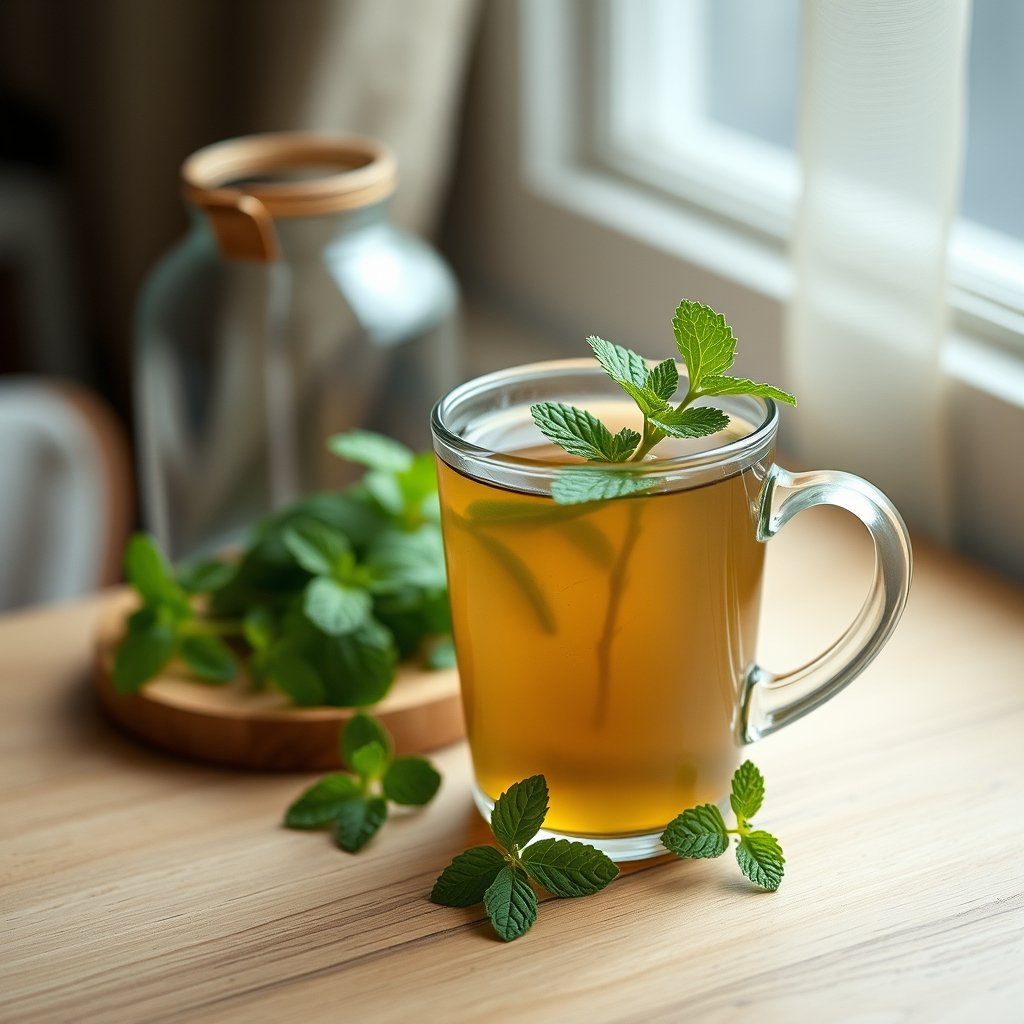
Peppermint tea is one of the most popular herbal drinks in the world — and for good reason. Made from the leaves of Mentha piperita, a natural cross between water mint and spearmint, peppermint tea has been used for digestive comfort, mental clarity, and general wellbeing for thousands of years. Whether you sip it after a heavy meal or reach for it on a stressful afternoon, understanding what’s actually inside your cup — and what the evidence really says — helps you get the most from this gentle, aromatic herb.
Key Takeaways
- Peppermint tea is one of the most widely consumed single-ingredient herbal teas globally, according to research published on PubMed.
- Its main active compounds — menthol, menthone, rosmarinic acid, and several flavonoids — drive most of its studied health effects.
- Evidence is strongest for digestive support, including relief of IBS symptoms, bloating, and cramping.
- Peppermint tea appears safe for most adults, but long-term use of very large amounts has not been fully studied.
- Certain groups — including people with acid reflux, young children, and those on some medications — should speak to a doctor before drinking it regularly.
Table of Contents
What Is Peppermint Tea?
Peppermint tea is a caffeine-free herbal infusion made by steeping fresh or dried peppermint leaves in hot water. The plant itself, Mentha piperita, is a natural hybrid that grows throughout Europe, North America, and the Mediterranean region, as the National Center for Complementary and Integrative Health (NCCIH) explains. It’s technically a tisane — a plant-based drink that doesn’t come from the traditional Camellia sinensis tea bush — but most of us just call it tea.
The medicinal use of mint for digestive problems dates back to ancient Greece, Rome, and Egypt, making it one of the oldest herbal remedies on record. Today, peppermint tea is prized both for its bright, cooling flavour and for its functional compounds. The leaves are rich in phenolic antioxidants including rosmarinic acid, eriocitrin, luteolin, and hesperidin. The essential oil within the leaves contains high concentrations of menthol and menthone — the compounds responsible for that signature cool sensation in your throat and chest.
When you brew peppermint tea, some of the essential oil and a portion of these phenolic compounds dissolve into the water. This is why peppermint tea carries some, though not all, of the same properties attributed to concentrated peppermint oil. It’s a milder, gentler way to benefit from the plant — which is also why it suits everyday drinking far better than oil supplements.
If you’re interested in growing your own plants at home, it’s worth knowing that mint is one of the easiest herbs to grow indoors for beginners, making fresh-leaf peppermint tea surprisingly accessible even without a garden.
Why the History of Peppermint Tea Still Matters
Centuries of traditional use don’t automatically make something medically proven, but they do point scientists toward where to look. The fact that peppermint tea has been trusted for digestive complaints across so many different cultures — independently — helped drive the modern wave of research into its mechanisms. And that research has found some genuinely interesting things.
According to McKay and Blumberg’s comprehensive review in Phytotherapy Research, peppermint shows significant antimicrobial, antiviral, antioxidant, and antitumour actions in laboratory (in vitro) studies. It’s important to note that in vitro results don’t always translate directly to the same effects in humans — but they do form the scientific foundation that supports continued research.
The bottom line? Peppermint tea sits in a well-studied herbal category. Its traditional reputation has proven durable enough to withstand modern scientific scrutiny in several key areas.
8 Evidence-Based Benefits of Peppermint Tea
Here’s what the current body of research actually supports — presented honestly, without overclaiming.
1. Soothes Digestive Discomfort
Peppermint tea is perhaps best known for its effect on the gut. The Mayo Clinic Press notes that peppermint decreases smooth muscle contraction, which directly soothes the cramping and contractions that make digestive discomfort so unpleasant. A cup of peppermint tea after a large or heavy meal can ease that familiar feeling of fullness and pressure.
A review published on PubMed found that peppermint tea, which contains essential oil, has no known adverse effects for digestive use. That’s a reassuring finding for people who rely on it routinely.
2. Supports Relief from IBS Symptoms
Irritable bowel syndrome (IBS) affects a significant portion of the population, and finding safe, accessible relief matters enormously to those who live with it. Randomised controlled clinical trials suggest that peppermint is effective in reducing abdominal pain, flatulence, and diarrhoea in people with IBS, as noted in herbal remedy research published on PubMed. Peppermint tea offers a gentler, daily-use approach to these same benefits.
The mechanism is well understood: menthol relaxes the muscles of the intestinal wall, reducing spasms. Peppermint tea won’t eliminate IBS, but it can be a helpful part of a broader management plan.
3. May Help with Nausea
Peppermint tea has a long folk history as a nausea remedy, and science offers a plausible explanation. Research reviewed by Fattori et al. (2024) suggests peppermint may be effective in managing nausea and vomiting, including in people with gastrointestinal conditions. The cooling menthol effect can calm the stomach and reduce the sensation of queasiness.
Peppermint tea is particularly popular during pregnancy-related nausea — though pregnant women should always check with their midwife or doctor before drinking it regularly, as large amounts of peppermint haven’t been studied in pregnancy.
4. Carries Antioxidant Properties
The phenolic compounds in peppermint tea — especially rosmarinic acid — are recognised antioxidants. Antioxidants help neutralise free radicals, unstable molecules that contribute to cell damage over time. When you drink peppermint tea regularly, you’re giving your body a small but steady supply of these protective compounds.
Strong antioxidant activity has been documented for peppermint in laboratory studies. As part of a balanced diet, peppermint tea is a pleasant, caffeine-free way to add to your daily antioxidant intake.
5. Has Anti-Inflammatory Potential
A 2023 systematic review published on PubMed — screening over 3,800 records and analysing 14 qualifying studies — found that peppermint and its main component, menthol, may suppress inflammation by reducing oxidative stress and blocking the production of pro-inflammatory mediators and nitric oxide. The review proposed peppermint as a promising anti-inflammatory agent, though it also noted that more human clinical trials are needed.
Peppermint tea, as a mild source of these same compounds, could support the body’s natural inflammatory response — though it isn’t a substitute for medical treatment of inflammatory conditions.
6. May Support Mental Alertness and Mood
Here’s a surprising one: peppermint tea appears to have paradoxical effects on mental state. Research cited by Fattori et al. suggests it can improve alertness in people performing monotonous tasks, while also helping to calm anxiety and improve sleep quality in people experiencing fatigue. In other words, it may sharpen focus when you’re bored and ease tension when you’re stressed.
This makes peppermint tea a uniquely versatile drink — suitable both as a mid-afternoon pick-me-up and as a calming evening ritual, depending on your individual response.
7. Offers Antimicrobial and Antiviral Support
Laboratory studies show that peppermint has significant antimicrobial and antiviral activities. While peppermint tea is a diluted form of the plant compared to essential oil, it still contains the active compounds responsible for these effects. Sipping peppermint tea during cold season may offer mild support for your immune system’s defences, though it’s not a treatment for viral illness.
Peppermint tea also has documented benefits for dental health, as menthol’s antimicrobial properties can help freshen breath by targeting odour-causing bacteria.
8. Skin and Wound Healing Support
Peppermint’s analgesic (pain-relieving) and anti-inflammatory properties extend to the skin. Research summarised by Fattori et al. (2024) notes therapeutic benefits for skin health and wound healing. When consumed as peppermint tea, these effects are indirect — supporting the body’s internal environment rather than acting directly on the skin — but they’re part of the broader picture of what this plant offers.
Peppermint Tea: Lifestyle and Diet Considerations
Peppermint tea fits naturally into a health-conscious daily routine. Here are some practical, concrete ways to make it work better for you.
When to Drink It
For digestive benefits, drinking peppermint tea 30 minutes after a meal tends to work well. It gives your body time to begin digestion before the tea’s muscle-relaxing effects kick in. For mental focus, mid-morning or early afternoon is ideal. As an evening wind-down, caffeine-free peppermint tea is a natural choice — unlike green or black tea, it won’t interfere with sleep for most people.
How Much Is Reasonable?
One to three cups per day is a sensible range for most healthy adults. The NCCIH notes that peppermint tea appears to be safe at normal consumption levels, though the long-term safety of very large amounts of peppermint leaf is not yet fully established. So enjoy it freely, but there’s no need — or benefit — in drinking ten cups a day.
Pairing It with a Gut-Friendly Diet
Peppermint tea works best as a complement to good digestive habits, not a substitute for them. A diet rich in fibre, adequate hydration, regular movement, and low in ultra-processed foods all support the same digestive pathways that peppermint tea helps to soothe. Think of peppermint tea as a helpful, pleasant addition — one tool in a larger toolkit.
Growing Your Own Peppermint
Fresh peppermint leaves make exceptional peppermint tea, and the plant is famously vigorous. If you have a balcony or windowsill, growing your own is well worth considering. You might also find our guide on herbs that grow indoors without direct sunlight useful — mint actually thrives in partially shaded spots that many other herbs find difficult. Just keep an eye out for rust disease; if you spot unusual orange spots on your leaves, it’s worth checking how to identify and treat the problem before using those leaves in your peppermint tea.
Possible Side Effects and Who Should Be Careful
Peppermint tea is safe for most people, but ‘generally safe’ doesn’t mean ‘safe for everyone in every situation’. Here’s where caution applies.
- Acid reflux and GERD: Menthol relaxes the lower oesophageal sphincter — the valve between your oesophagus and stomach. This is helpful for the gut, but for people with gastro-oesophageal reflux disease (GERD), it can worsen heartburn by allowing stomach acid to travel upward. If reflux is a regular problem for you, speak to your doctor before making peppermint tea a daily habit.
- Hiatal hernia: Similar to GERD, people with a hiatal hernia may find that the sphincter-relaxing effect of peppermint worsens their symptoms.
- Young children: Menthol-containing products, including strong peppermint tea, are generally not recommended for infants and very young children. Always consult a paediatrician.
- Pregnancy and breastfeeding: Occasional, moderate peppermint tea is generally considered acceptable during pregnancy, but large medicinal amounts are not well studied. Always check with your healthcare provider.
- Drug interactions: Peppermint may affect how the liver processes certain medications. If you take prescription drugs regularly, ask your doctor or pharmacist whether peppermint tea is appropriate for you.
- Allergies: People with known allergies to plants in the Lamiaceae (mint) family should avoid peppermint tea.
When to See a Doctor
Peppermint tea is not a medical treatment. If you’re experiencing any of the following, please speak to a healthcare professional rather than relying on peppermint tea alone:
- Persistent abdominal pain that doesn’t ease with dietary changes or herbal remedies.
- Unexplained changes in bowel habits lasting more than a few weeks.
- Blood in your stool or unexplained weight loss alongside digestive symptoms.
- Worsening heartburn or reflux after starting peppermint tea.
- Nausea that is severe, prolonged, or accompanied by vomiting and inability to keep fluids down.
- Any symptoms that concern you — trust your instincts and get them checked.
Red flags like these need proper investigation. Peppermint tea can be a pleasant, supportive part of your daily wellness routine, but it’s not a diagnostic tool and it can’t replace medical care when something more serious is going on.
Key Takeaways
Peppermint tea has earned its place as one of the world’s most popular herbal drinks. Its history stretches back thousands of years, and modern research is beginning to explain why. The evidence is strongest for digestive benefits — particularly for soothing IBS symptoms, reducing cramping, and easing nausea. Beyond digestion, peppermint tea also brings antioxidant, anti-inflammatory, antimicrobial, and potential cognitive benefits, though more human clinical trials are needed to fully understand the extent of these effects.
Drinking peppermint tea is safe and enjoyable for most healthy adults at one to three cups a day. It’s caffeine-free, easy to prepare, and pairs well with an overall gut-friendly lifestyle. As with any herbal remedy, people with specific health conditions, those who are pregnant or breastfeeding, and those on regular medication should check with a doctor before making it a significant part of their routine. Used thoughtfully, peppermint tea is a small, genuinely useful addition to everyday wellness.
Frequently Asked Questions
Can I drink peppermint tea every day?
Yes, most healthy adults can drink peppermint tea daily without concern. One to three cups per day is a reasonable amount. The NCCIH notes that peppermint tea appears to be safe at typical consumption levels, though the long-term safety of very large daily quantities of peppermint leaf hasn’t been fully established. If you have acid reflux, GERD, or take regular medication, check with your doctor first.
Does peppermint tea help with bloating?
It can. Peppermint tea helps relax the smooth muscles of the intestinal wall, which reduces the cramping and spasms that often accompany bloating. Drinking a cup 30 minutes after a meal is a commonly recommended approach. It’s not guaranteed to work for everyone, but the mechanism behind it is well supported by research.
Is peppermint tea safe during pregnancy?
Occasional, moderate amounts of peppermint tea are generally considered acceptable during pregnancy, and many women use it to ease morning sickness. However, large medicinal quantities haven’t been well studied in pregnant women, so it’s sensible to limit intake and always check with your midwife or doctor, especially in the first trimester.
Does peppermint tea contain caffeine?
No — peppermint tea is naturally caffeine-free because it’s made from peppermint leaves, not from the Camellia sinensis plant that produces black, green, and white teas. This makes it a great option for an evening drink or for anyone reducing their caffeine intake. Just make sure the product you buy is pure peppermint and not a blend that includes regular tea leaves.
References
- National Center for Complementary and Integrative Health (NCCIH): Peppermint Oil — Usefulness and Safety
- PubMed — McKay & Blumberg: A review of the bioactivity and potential health benefits of peppermint tea (Mentha piperita L.)
- PubMed — Fattori et al. (2024): Peppermint and menthol — biochemistry, pharmacological activities, clinical applications, and safety
- PubMed — Systematic Review (2023): Peppermint as a promising treatment agent in inflammatory conditions
- PubMed — Herbal remedies for dyspepsia: peppermint seems effective
- Mayo Clinic Press: How to poop the right way (expert commentary on peppermint)